
What is the Target Audience?
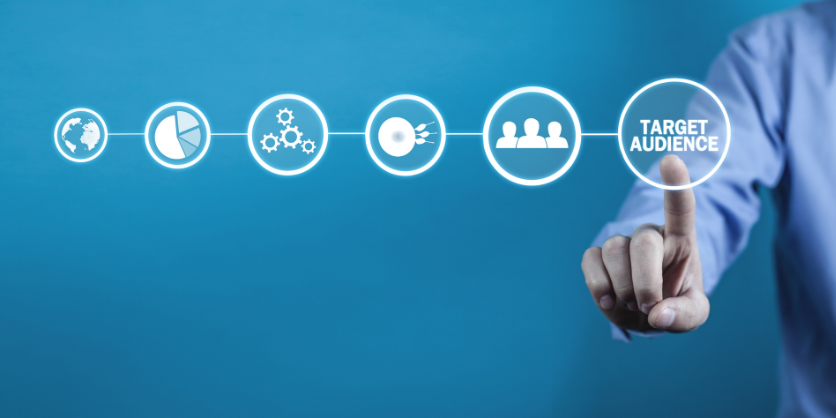
The target audience is a group of people identified as potential customers of a business. These people are likely to want to buy the products and services you are offering. This is the group your business or your marketers need to target. This specific group or segment shares common characteristics, behaviours, demographics, or needs. Examples of these factors are:- Place
- Age
- Interests
- Gender
- Employment
- Income
Types of Target Audiences
Your target audience group can be further divided into categories, here are the types of target audiences:Demographics
The group can be divided into various smaller categories on the basis of characteristics such as gender, age, race, marital status, education, income, and nationality. These data are easy to get, you can use censuses, market surveys, and even analytical tools to get these data.- Age: Different age groups have different interests. The young audience will be more interested in trendy things like gadgets, fashion and digital products, whereas luxury cruises will likely appeal more to older retirees.
- Gender: Men will be more interested in travelling, riding, health products, and policies, whereas fashion, beauty, home & kitchen appliances, or health products. Marketers choose different strategies when targeting men or women.
- Income: Economic conditions affect purchasing power, which affects what types of products or services consumers can purchase.
Purchase Intention
It is a group of people looking for a specific product or service and wanting more information about the same. These are the people who want to buy that product or are just on the verge of making a decision to buy that product and want more clarity.Lifestyle
Your broad audience can be divided further according to their activities, interests, opinions, values, social standards and overall lifestyle. Since it deals with subjective internal characteristics getting or measuring the data is harder than the above two types.Interests
This is data about what people like, like hobbies. Having details of this helps you connect with your audience efficiently and explore buyer motivations and behaviour. If you are a motorcycle riding appeal seller and want to sell winter riding gloves then you can target motorcycle riders just before winter begins.Subculture
People who recognize shared experiences can be counted as this type. These are people who prefer a specific music scene or style of entertainment. To target this group you need to think of ways to connect that specific subculture to your business, especially if you have a large potential audience.Benefits of Knowing Your Target Audience
As we mentioned above, knowing who you’re talking to can make a huge difference especially when you or your marketing team is developing marketing and branding plans. Here are more benefits of knowing your target audience:- Develop a robust brand identity: If you know and understand your target audience, you will be able to create a winning brand identity that speaks to the real audience and maintains authenticity. It helps your brand to connect with your audience better.
- Craft Result-driven Marketing Strategies: Sharing values with your target audience makes it easier to develop successful marketing campaigns that have a tangible impact. You know which messages will mean what to them.
- Increase customer Acquisition: Acquiring new customers is easier when you know who to address and you can tailor your branding and marketing to that person’s interests-such as subcultures or hobbies.
- More satisfied customers: When a brand knows its target audience, it becomes easier to deliver what it promises. Your customers get exactly what they expect from the brand. This can boost customer relations and satisfaction.
- Promote Brand Loyalty: Satisfied customers will remain loyal to your brand for a longer duration, making it easier to retain existing customers. Plus, you will get free word-of-mouth promotion of your product, brand and services.
- Increased ROI: You’ll know where to prioritize and what approach will best fit, so when reporting time comes you’ll have an impressive social media ROI to show.
How to Find Your Target Audience?
Businesses can’t survive without customers and profit, and by targeting the right people with the right approach you can get more customers and more profit. To find your target audience, you can:- Analyze existing customers: Look at who’s already buying your product or service. It will help you find more people with the same interests, subculture, and hobbies.
- Conduct market research: As a business keeping an eye on your competitors is very important. Learn what your competitors are offering users, and where they’ve been successful. You can offer better and get even better results.
- Create buyer personas: Create written profiles of your ideal customers, including their motivations, likes, and dislikes. It helps businesses to understand what their customers will like and what not. It is an effective strategy to know the chances of success even before reaching the market and audience.
- Segment your audience: Tailor your products or services to customer segments that are most likely to be interested. By promoting products and services to a suitable audience you will get better ROI compared to promoting it to everyone.
- Monitor audience feedback: Businesses need to take care of the feedback about their product, brand, support and services. Pay attention to audience comments, engagements, and feedback and then put them in different groups and suggest products accordingly.
- Experiment with content: Try out different content and updates to your products and services, then see how people are responding and group the people accordingly.
- Take the help of Analytics: GA4 has various features but even before this update Google Analytics was capable of helping users in finding their target audience. You can find data on age, places, and more easily.